|
|
|
|
|
|
|

|
|
|
|
|
|
|
|
|
|||||
 |
 |
 |
 |
 |
 |
| Product Application Images | System Design Calculations | Product Data Sheet | |||
|
|
|||||
| Product Applcation Word Files | Power Point Files Download | APP Diagram ZIP Files Download | |||

|
| ||||||||||||||||||||||||||||||||||||||||||
|
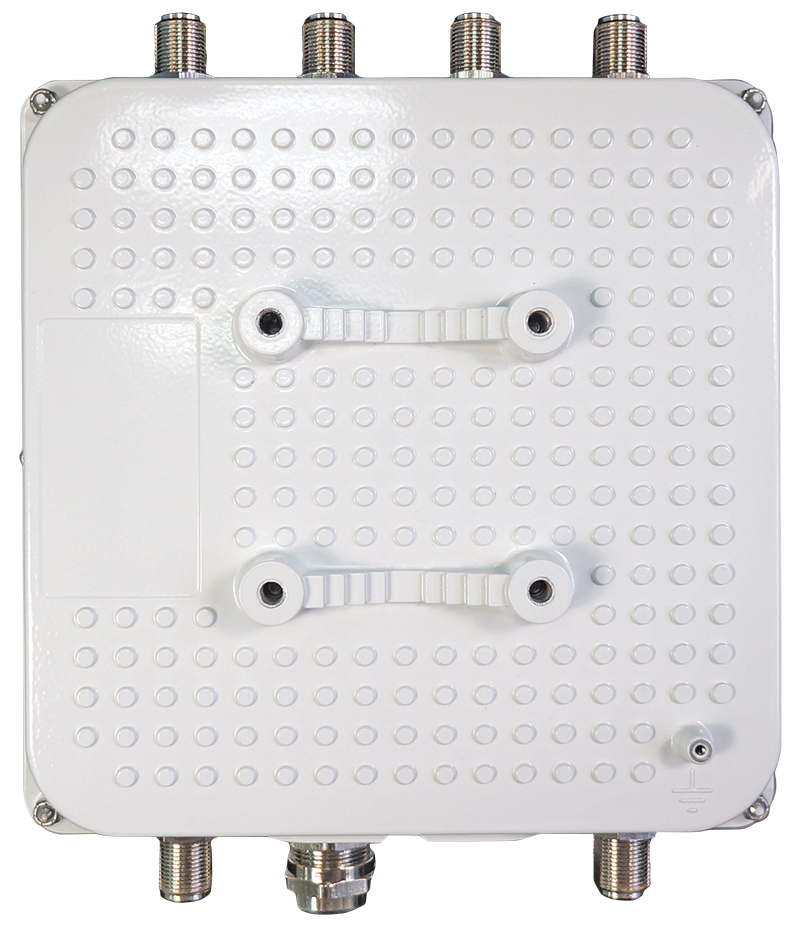
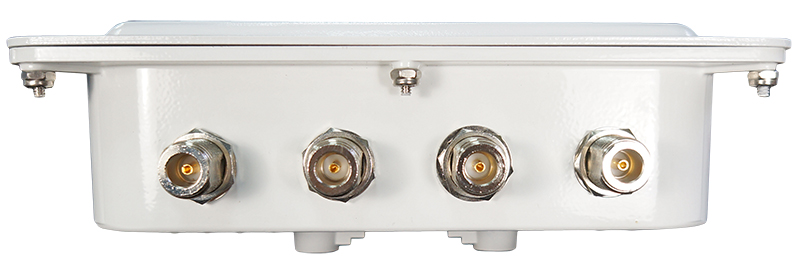
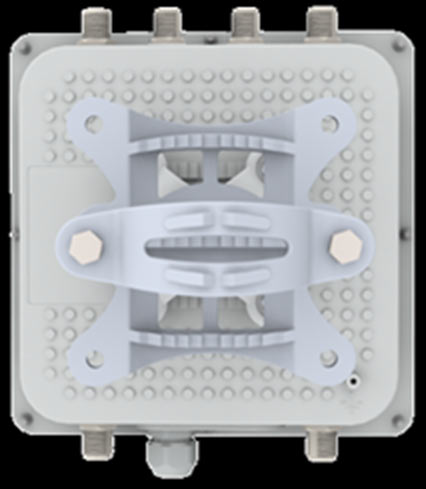
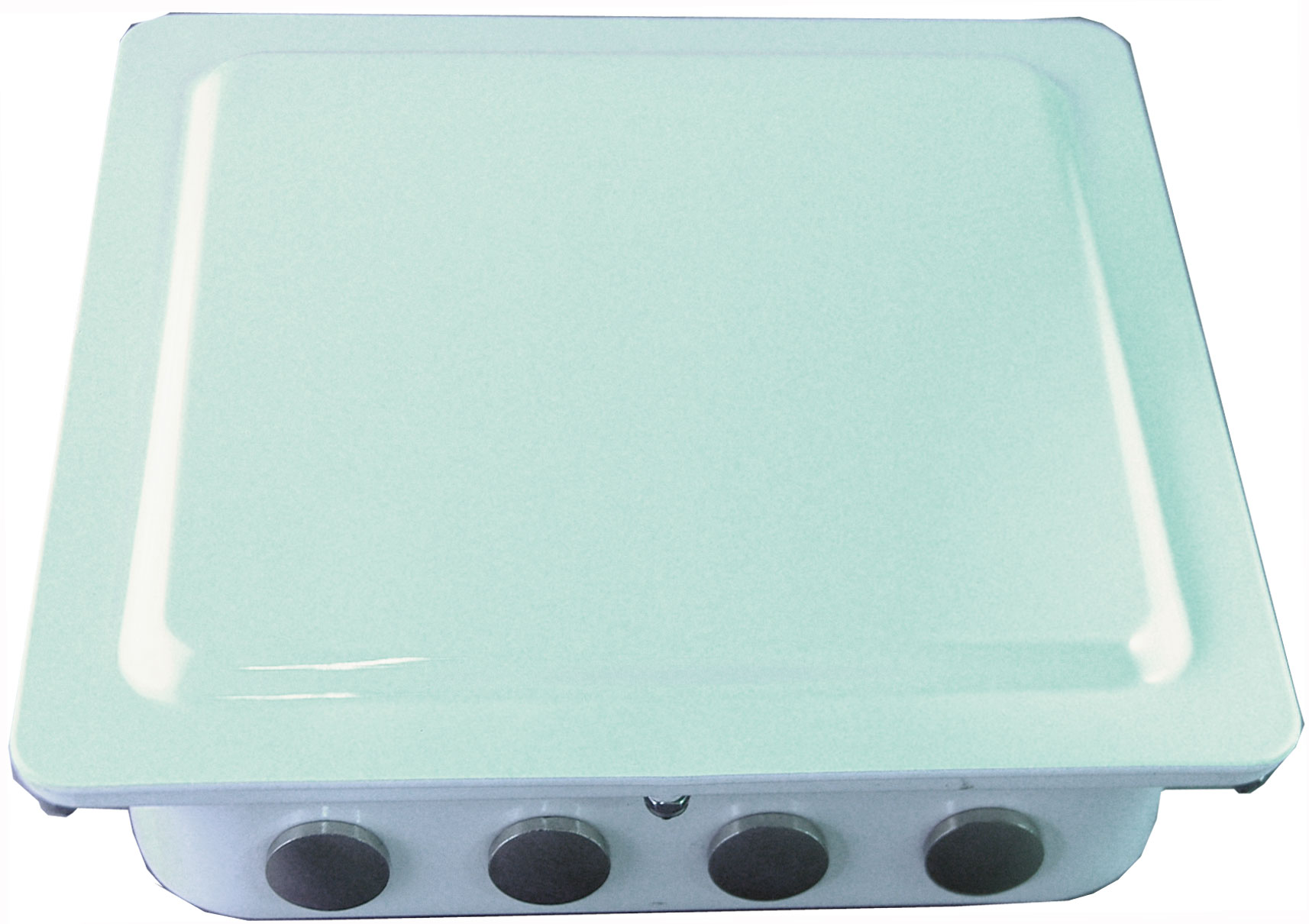
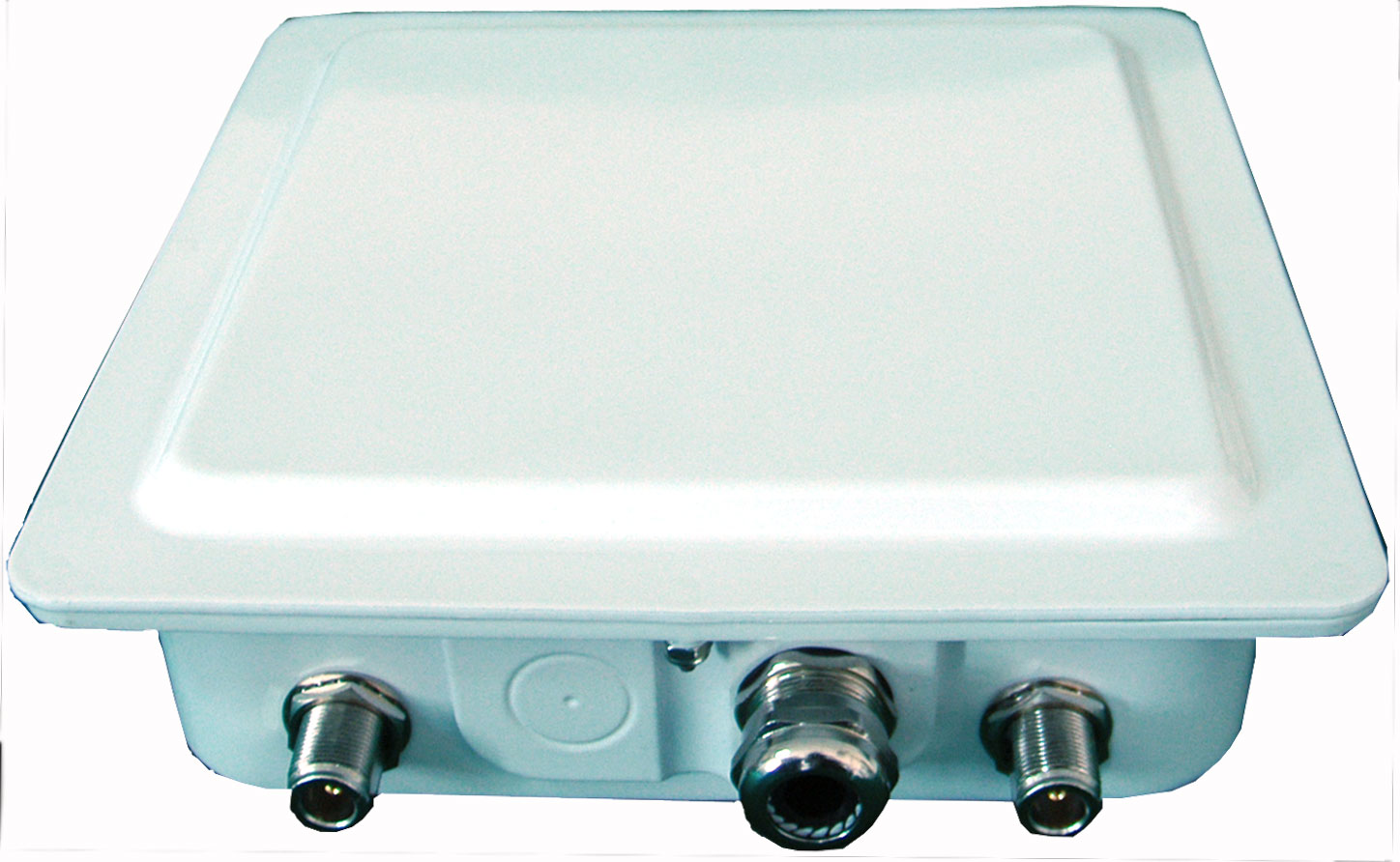
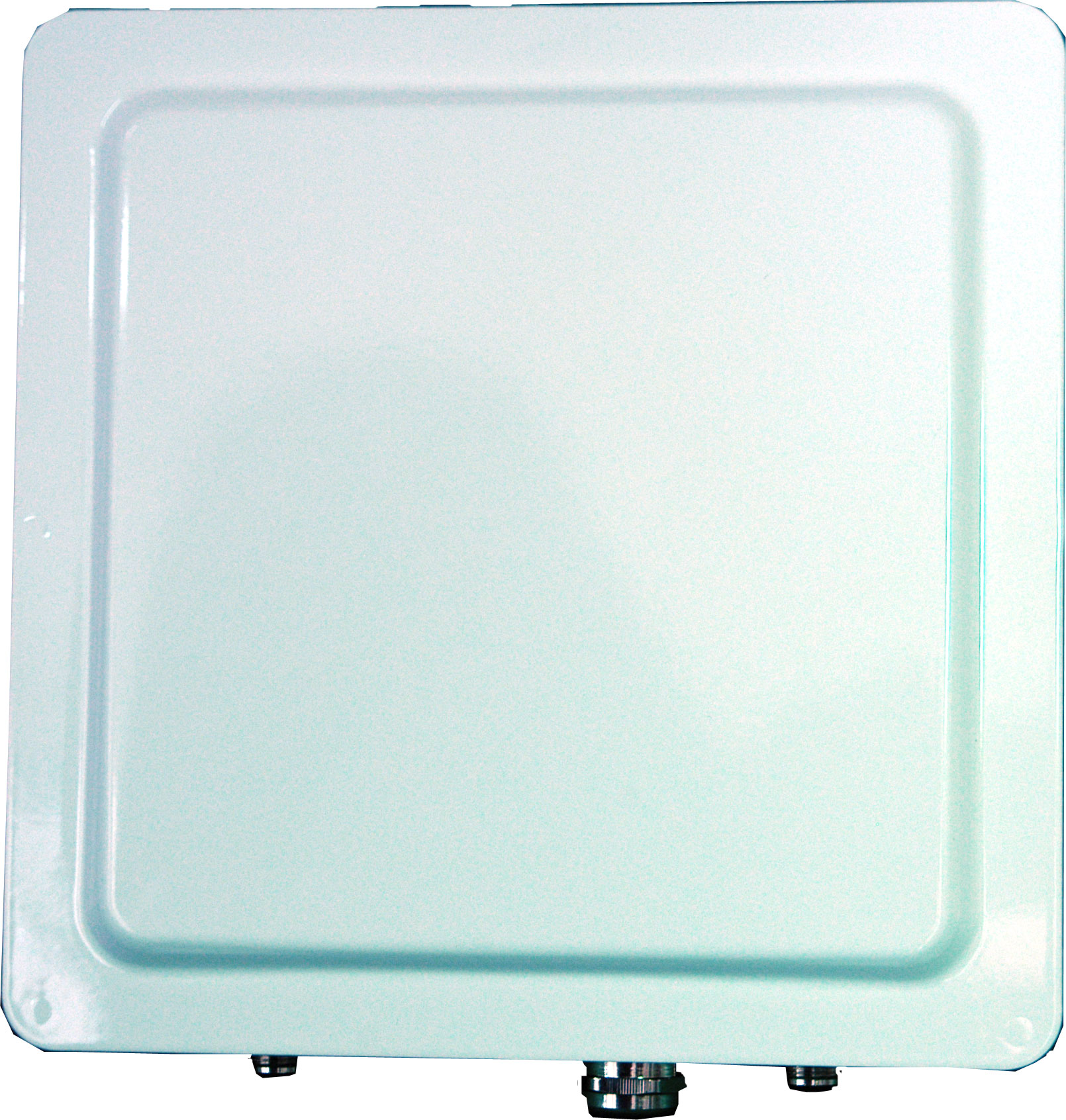
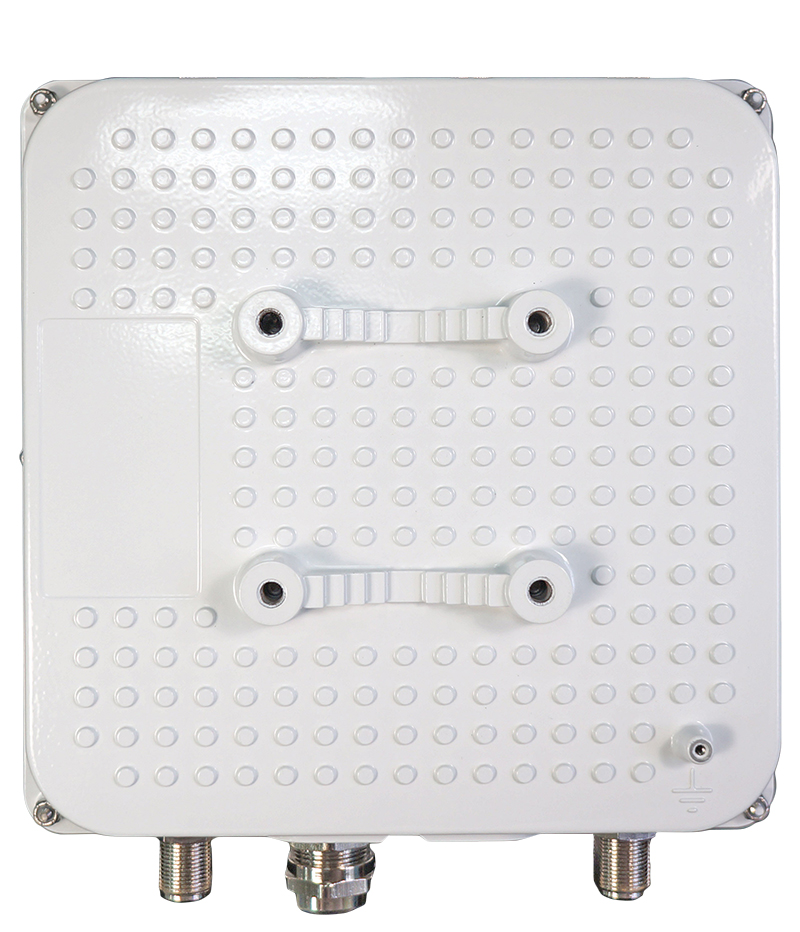
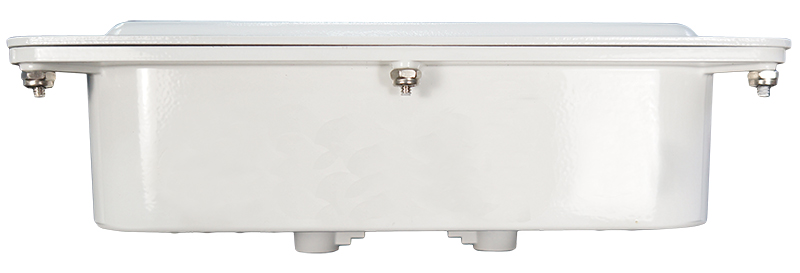
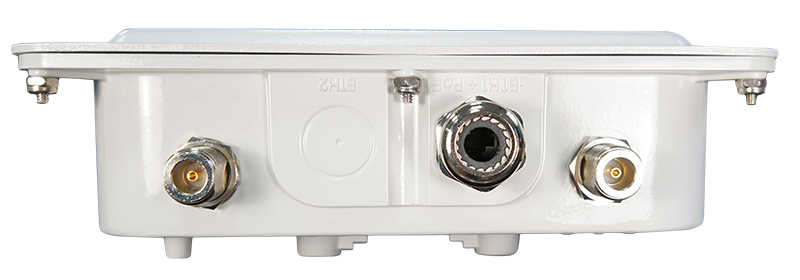
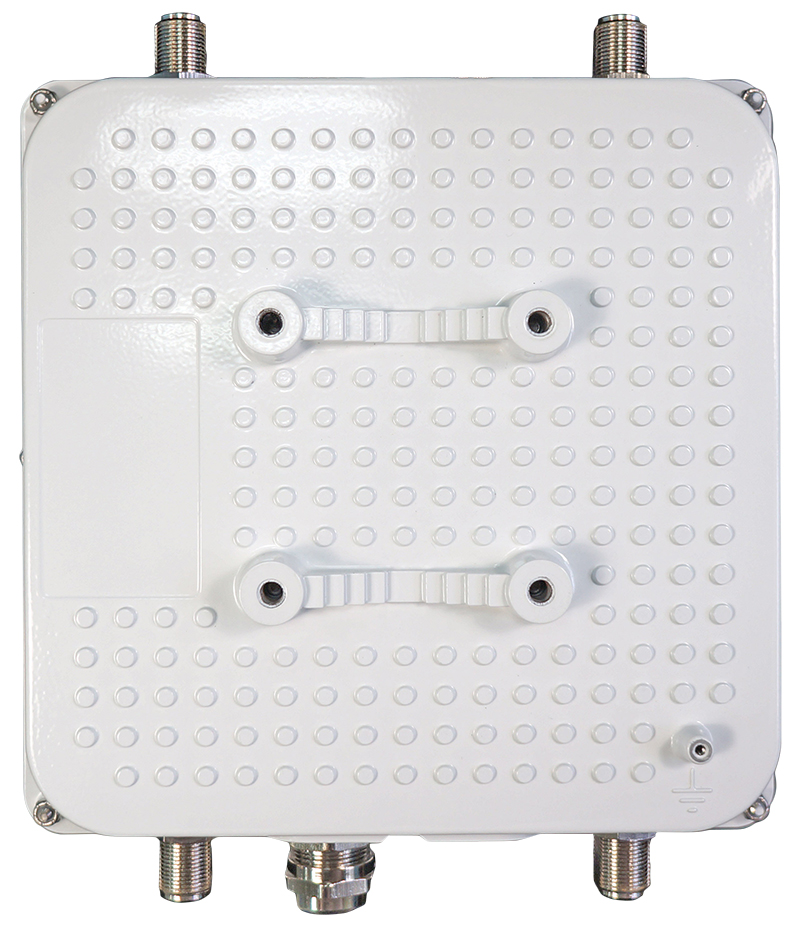
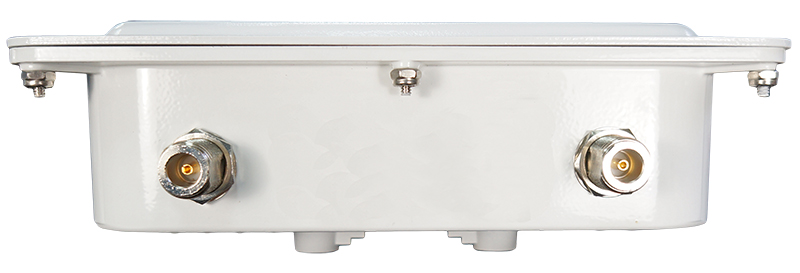
Outdoor Wireless MIMO AP Product New Images IOP-APM-101R(H) Product New Images
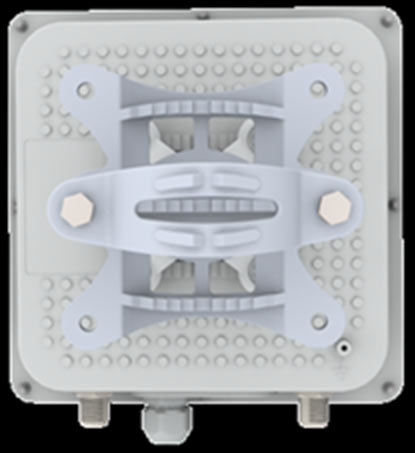
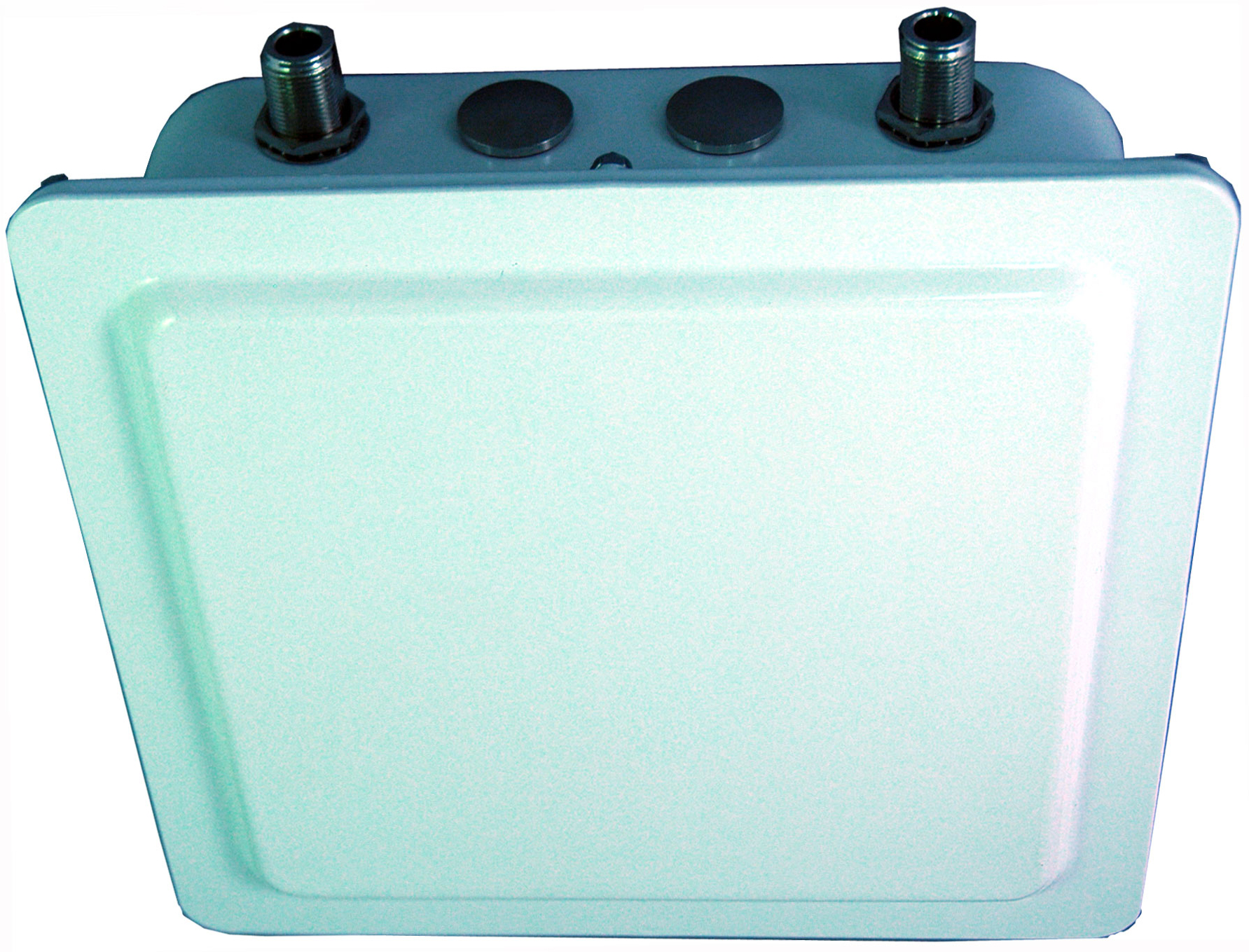
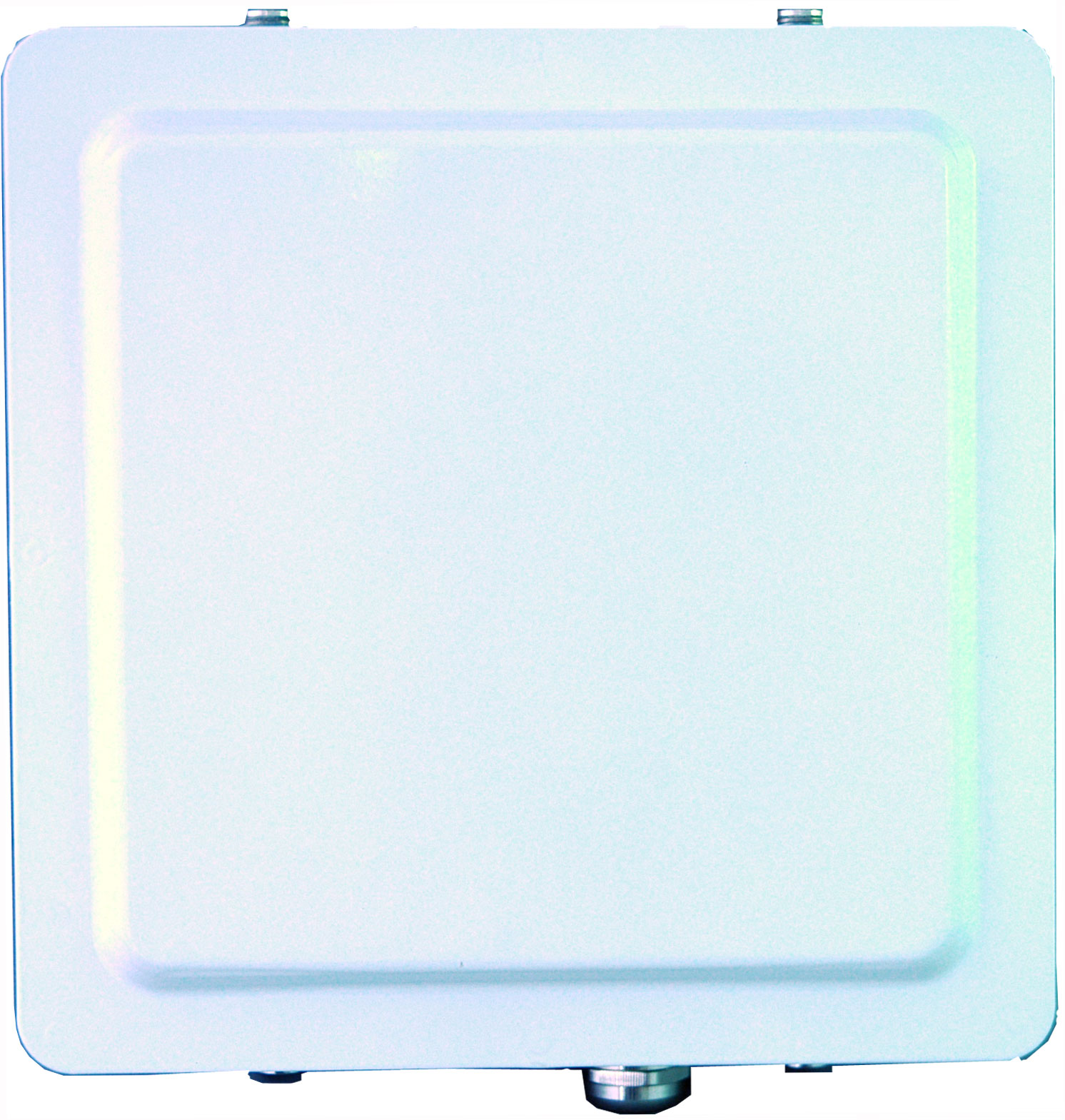
IOP-APM-102R(H) Product New Images
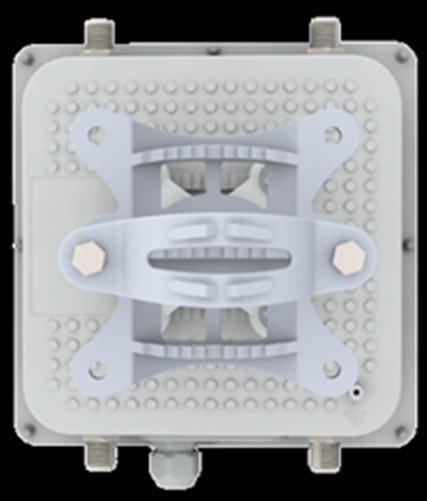
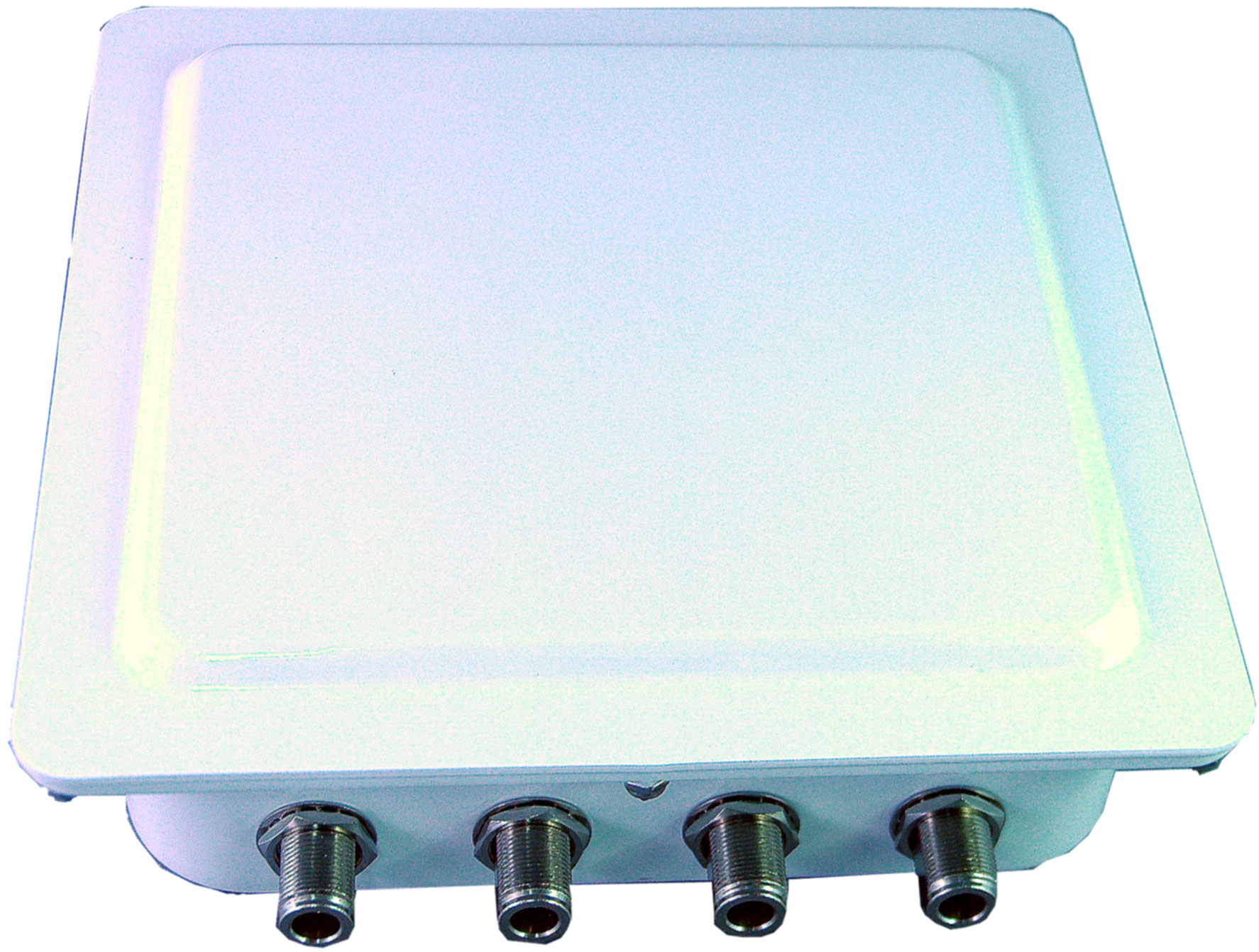
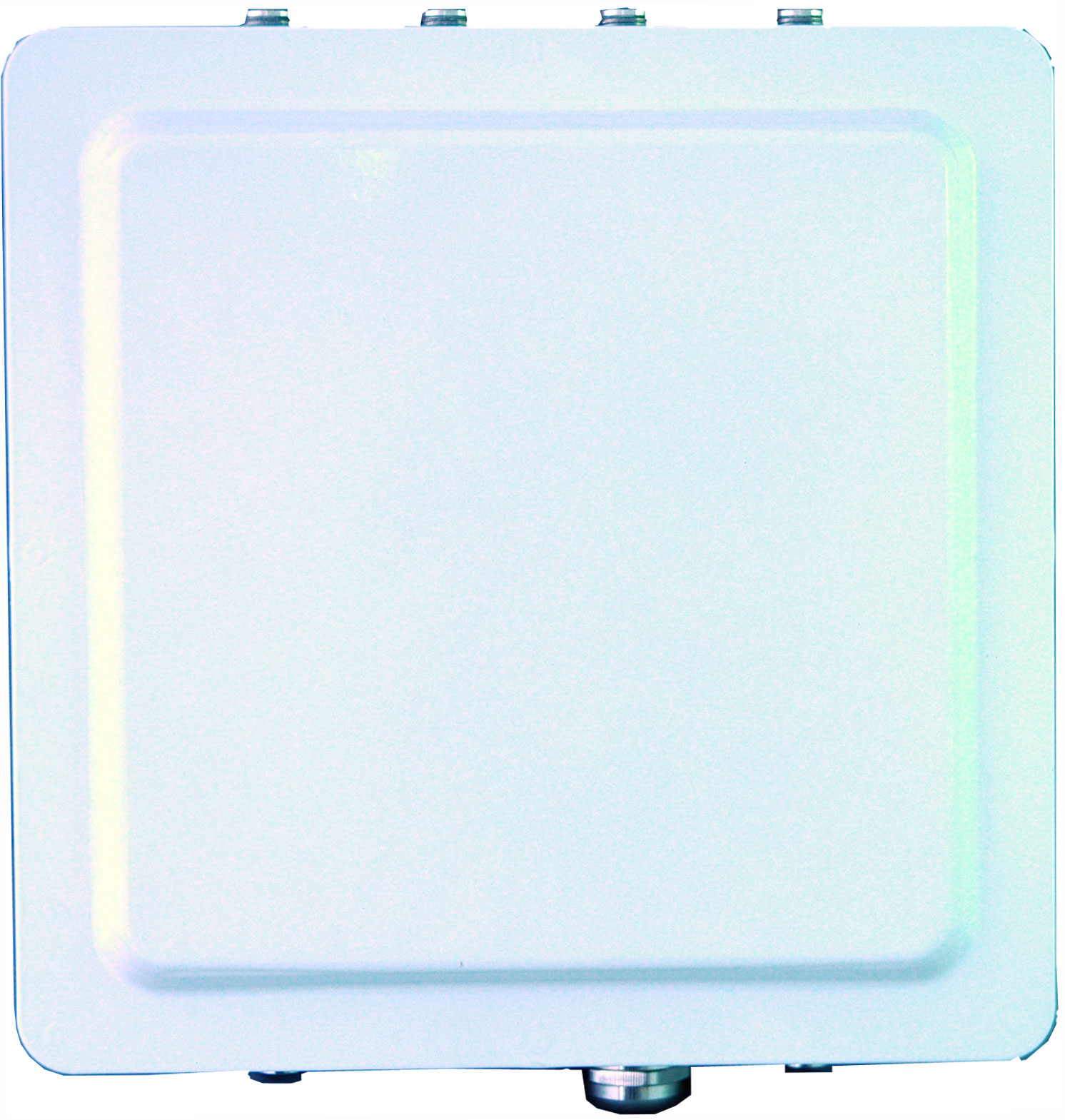
IOP-APM-103R(H) Product New Images
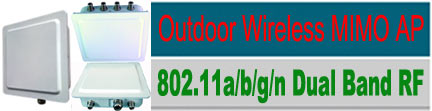
IO-POWER APM-101/102/103R(H) Series 802.11a/g/n Multiple Hops Bridge Outdoor Wireless MIMO Access Point The APM-100R(H) series are enterprise and carrier-grade 802.11a/g/n Outdoor Wireless Access Point which offers customer a robust and high performing solution for PTP / PTMP / Hotline / Hotzone applications in both license-free 2.4GHz and 5GHz bands. The APM-100R(H) series are suitable for campuses, hospitality, healthcare, warehousing and wider metropolitan area deployments. The APM-100R(H) series offer three major features. n Multi-Hops feature with low loss of backbone throughput: The throughput reduces about 5~8Mbps/each Hop. From the 5th Hop on, the Throughput will not reduce anymore. The throughput can be remained more than 120Mbps. Even after 10 Hops, the latency is still within 10ms. 103R(H) has 3 RF modules, so it can support 3 backbones for the gathering of wider bandwidth from different directions. n Multi-Hops + Mesh Networking System: This solution is for carrier-grade project that needs to provide wireless internet service or large-scale wireless surveillance image transmission. To solve the problem that the normal internet system breakdown, Mesh Network features such as auto route selection and self-healing is adopted here. n Multi-Hops + Mesh Networking System + High-Mobility: This is for carrier-grade project that provide high-mobility transmission service in a large area. EX: wireless high-mobility surveillance transmission in city roads or highway, railway high-mobility data transmission, rapid transit (subway) high-mobility data transmission, and even high-speed train high-mobility data transmission. Mesh Networking System, collocating with the wide-bandwidth of Multi-Hops and the specially designed Mesh Client, high-mobility data can be transmitted fast and automatically via Mesh Networking System. APM-100R(H) series have the advantages as below: Flexible wireless backbone deployment options High-performance wireless backbone With the new generation 802.11N MIMO technology, the APM-100R(H), offer data link rate up to 300Mbps in each single radio interface, 160Mbps bandwidth. Short Guard Interval and Frames Aggregation methodology configurations improve the efficient of backbone usage, with total data link rate 300Mbps and 320Mbps bandwidth. Security and efficient client connectivity The nimble QoS (Quality of Service) configuration provides flexible management of user’s access bandwidth of wireless connectivity. Perfect integrated with central RADIUS server and data encryption technique, the APM-100R(H) series provide a secure wireless connectivity for each client device. Mesh Networking Function (Selectable software) When installing backbones in a large-scale area, Mesh Networking function can be selected to offer special features as below:
A. Mesh data transmission
with OSI (Open System Interconnection Reference Model) Layer 2, Data Link Layer,
can fasten the data handover and self-healing for connection, and lower the
bandwidth loss because of Hopping. It can offer 100Mbps bandwidth after 10 Hops. Hi-mobile with Mesh Networking System (selectable software) Mesh Networking System, collocating with the wide-bandwidth of Multi-Hops and the specially designed Mesh Client, can build Mesh high-mobility Networking, offering 100Mbps high-mobility throughput at 200KM/h.
Outdoor Wireless MIMO AP Product Specification APM-101R(H) / APM-102R(H) / APM-103R(H) Series V1.0
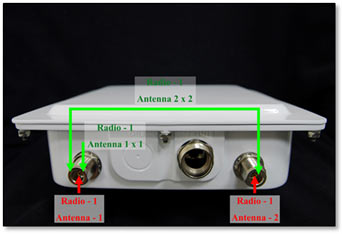
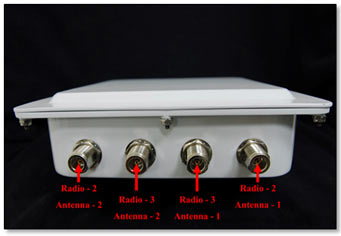
Antenna Connector Sequential Organization Radio-1: Antenna 1 & Antenna 2 | |||||||||||||||||||||||||||||||||||||||||||||||||||||||||||||||||||||||||||||||||||||||||||||||||||||||||||||||||||||||||||||||||||||||||||||||||||||||||||||||||||||||||||||||||||||||||||||||||||||||||||||||||||||||||||||||||||||||||||||||||||||||||||||||||||||||||||||||||||||
|
Key Components |
|
|
Main Processor |
Atheros AR7161(680Mhz) |
|
Wireless Chipset |
Atheros AR9220 based miniPCI module, Up to three modules |
|
Switch Controller |
Atheros AR8035 / Atheros AR8021 |
|
Flash Memory |
16MBytes |
|
SDRAM |
128MBytes |
|
Console |
UART x 1(PCBA onboard) |
|
Interfaces |
|
|
Wireless |
Up to three 2x2 MIMO radios, mini-PCI version 1.0 type 3A Frequency ranges : a. USA : 2.400 ~ 2.483 GHz, 5.15 ~ 5.35 GHz, 5.5 ~ 5.7 GHz, 5.725 ~ 5.825 GHz b. Europe: 2.400 ~ 2.483 GHz, 5.15 ~ 5.35 GHz, 5.47 ~ 5.725 GHz c. Japan: 2.400 ~ 2.497 GHz, 5.15 ~ 5.35 GHz, 5.47 ~ 5.725 GHz d. China: 2.400 ~ 2.483 GHz, 5.725 ~5.85 GHz RF output power of DNMA-92 : a. IEEE802.11a 1. 21dBm@6M(all) 2. 17dBm@54M(5180MHz) 16dBm@54M(5825MHz) b. IEEE802.11b 1. 20dBm@1M(2412MHz) 19dBm@1M(2484MHz) 2. 21dBm@11M(all) c. IEEE802.11g 1. 23dBm@6M(all) 2. 19dBm@54M(all) d. IEEE802.11a/n HT20 1. 21dBm@MCS0/8(5180MHz) 19dBm@MCS0/8(5825MHz) 2. 16dBm@MCS7/15(5180MHz) 14dBm@MCS7/15(5825MHz) e. IEEE802.11a/n HT40 1. 19dBm@MCS0/8(5190MHz) 18dBm@MCS0/8(5795MHz) 2. 13dBm@MCS7/15(all) f. IEEE802.11g/n HT20 1. 21dBm@MCS0/8(all) 2. 17dBm@MCS7/15(all) g. IEEE802.11g/n HT40 1. 21dBm@MCS0/8(2422MHz) 20dBm@MCS0/8(2462MHz) 2. 16dBm@MCS7/15(all) Receive Sensitivity of DNMA-92 : a. IEEE802.11a 1. -82dBm@6M, 1Rx -95/-91dBm@6M, 2Rx 2. -65dBm@54M, 1Rx -79/-75dBm@54M, 2Rx b. IEEE802.11b 1. -82dBm@1M, 1Rx -95/-91dBm@1M, 2Rx 2. -76dBm@11M, 1Rx -91/-87dBm@11M, 2Rx c. IEEE802.11g 1. -82dBm@6M, 1Rx -95/-91dBm@6M, 2Rx 2. -65dBm@54M, 1Rx -80/-76dBm@54M, 2Rx d. IEEE802.11a/n HT20 1. -82dBm@MCS0, 1Rx -95/-91dBm@MCS0, 2Rx 2. -64dBm@MCS7, 1Rx -77/-73dBm@MCS7, 2Rx e. IEEE802.11a/n HT40 1. -79dBm@MCS0, 1Rx -91/-87dBm@MCS0, 2Rx 2. -61dBm@MCS7, 1Rx -74/-70dBm@MCS7, 2Rx f. IEEE802.11g/n HT20 1. -82dBm@MCS0, 1Rx -95/-91dBm@MCS0, 2Rx 2. -64dBm@MCS7, 1Rx -77/-73dBm@MCS7, 2Rx g. IEEE802.11g/n HT40 1. -79dBm@MCS0, 1Rx -90/-86dBm@MCS0, 2Rx 2. -61dBm@MCS7, 1Rx -74/-71dBm@MCS7, 2Rx RF output power of DNMA-H92 : a. IEEE802.11a 1. 24dBm@6M(all) 2. 21dBm@54M(all) b. IEEE802.11b 1. 24dBm@1M(all) 2. 24dBm@11M(all) c. IEEE802.11g 1. 25dBm@6M(all) 2. 22dBm@54M(all) d. IEEE802.11a/n HT20 1. 24dBm@MCS0/8(all) 2. 18dBm@MCS7/15(5180MHz) 17dBm@MCS7/15(5825MHz) e. IEEE802.11a/n HT40 1. 22dBm@MCS0/8(all) 2. 17dBm@MCS7/15(5190MHz) 16dBm@MCS7/15(5795MHz) f. IEEE802.11g/n HT20 1. 25dBm@MCS0/8(all) 2. 21dBm@MCS7/15(all) g. IEEE802.11g/n HT40 1. 24dBm@MCS0/8(all) 2. 20dBm@MCS7/15(all) Receive Sensitivity of DNMA-H92 : a. IEEE802.11a 1. -82dBm@6M, 1Rx -95/-91dBm@6M, 2Rx 2. -65dBm@54M, 1Rx -79/-75dBm@54M, 2Rx b. IEEE802.11b 1. -82dBm@1M, 1Rx -92/-88dBm@1M, 2Rx 2. -76dBm@11M, 1Rx -92/-88dBm@11M, 2Rx c. IEEE802.11g 1. -82dBm@6M, 1Rx -95/-91dBm@6M, 2Rx 2. -65dBm@54M, 1Rx -80/-76dBm@54M, 2Rx d. IEEE802.11a/n HT20 1. -82dBm@MCS0, 1Rx -95/-91dBm@MCS0, 2Rx 2. -64dBm@MCS7, 1Rx -77/-73dBm@MCS7, 2Rx e. IEEE802.11a/n HT40 1. -79dBm@MCS0, 1Rx -91/-87dBm@MCS0, 2Rx 2. -61dBm@MCS7, 1Rx -73/-69dBm@MCS7, 2Rx f. IEEE802.11g/n HT20 1. -82dBm@MCS0, 1Rx -95/-91dBm@MCS0, 2Rx 2. -64dBm@MCS7, 1Rx -77/-73dBm@MCS7, 2Rx g. IEEE802.11g/n HT40 1. -79dBm@MCS0, 1Rx -92/-88dBm@MCS0, 2Rx 2. -61dBm@MCS7, 1Rx -74/-70dBm@MCS7, 2Rx |
|
Ethernet |
10/100/1000 Base-TX MDI/MDIX RJ-45 x 1 |
|
Connector |
2 x N-type(1
radio) |
|
Power Requirement |
48V 1A PoE Support Gigabit Ethernet Link |
|
Watch Dog |
Hardware Watch Dog |
|
Physical |
|
|
Dimensions |
220 x 220 x 77 mm |
|
Weight |
101R/101RH—1.8Kg |
|
Environmental |
|
|
Temperature Range |
-30℃~70℃ |
|
Humidity |
0% ~ 95% Non-condensing |
|
Storage |
-40~ 85℃ |
|
Dusty & Waterproof |
Outdoor IP67 rated |
|
Regulatory |
|
|
Certification |
FCC:FCC 47 CFR Part 15
Subpart B (Class B) ANSI C63.4 -2009 |
|
System Operation |
|
|
Bridge Mode |
Layer 2 Switching Learning Technology |
|
Store-and-Forward |
|
|
Spanning Tree Protocol - IEEE 802.1d STP / IEEE 802.1w RSTP / IEEE 802.1s MSTP |
|
|
Static IP / Dynamic IP |
|
|
DHCP server / client |
|
|
Multicast / Broadcast Storm Limitation |
|
|
IEEE 802.1q Tag VLAN |
|
|
IEEE 802.1p VLAN Priority Based QoS |
|
|
Network Interface |
|
|
Wireless |
IEEE 802.11 a/b/g/n 2.4GHz / 5GHz Dual Band Radio |
|
2 x 2 MIMO Technology |
|
|
Single Radio / Dual Radios / Triple Radios |
|
|
AP mode / Client mode / WDS mode |
|
|
IEEE 802.11h DFS |
|
|
WMM QoS |
|
|
Channel / Tx Power / Data Rate / Max Distance Adjustable |
|
|
Advanced Wireless Parameters Adjustable |
|
|
Multi-SSIDs / VLAN tags mapping(Up to 16 x ESSIDs for each radio) |
|
|
Wireless Site Survey |
|
|
Node Information |
|
|
Concurrent Connected Node Limitation |
|
|
Client User Isolation |
|
|
Wire |
48V 1A PoE Support Gigabit Ethernet Speed |
|
Ethernet Link Speed Configurable |
|
|
10/100/1000 Base-TX MDI/MDIX RJ-45 |
|
|
Performance |
||
|
Wireless To Wire |
TCP |
Up to 180Mbps for one radio to Ethernet |
|
Up to 320Mbps for two radios to Ethernet |
||
|
Up to 320Mbps for three radios to Ethernet |
||
|
UDP |
Up to 240Mbps for one radio to Ethernet |
|
|
Up to 350Mbps for two radios to Ethernet |
||
|
Up to 350Mbps for three radios to Ethernet |
||
|
PPS |
>= 20,000@short packet for one radio to Ethernet |
|
|
>= 28,000@short packet for two radios to Ethernet |
||
|
>= 28,000@short packet for three radios to Ethernet |
||
|
Latency |
< 5ms |
|
|
Multiple Hops |
2 hops |
Up to 160Mbps |
|
3 hops |
Up to 150Mbps |
|
|
>= 4hops |
Up to 140Mbps |
|
|
PPS |
>= 20,000@short packet at multiple hops |
|
|
Latency |
< 10ms |
|
|
Security |
|
Hide SSID(turn off ESSID broadcasting) |
|
MAC Address ACL |
|
WEP 64/128/152 bits |
|
IEEE 802.1x EAP-MD5 / EAP-TLS / EAP-TTLS |
|
WPA / WPA2 PSK / EAP with TKIP / CCMP AES based Encryption |
|
Management |
|
HTTP(s) WEB GUI |
|
Telnet |
|
SSH |
|
Console(optional interface) |
|
CLI commands |
|
SNMP v2c/v3, standard / private MIBs |
|
Syslog |
|
Management VLAN Tag |
|
NTP Client |
|
Firmware upgrade / downgrade |
|
Dual Images |
|
Dual Configuration files / Factory Default |
|
Multiple Level Management |
|
Advanced Technology |
|
|
Multiple Hopping |
Multiple Hops after 10 times, max Throughput can be up to 120Mbps |
|
Multiple Hops after 10 times, Ping latency is 10ms below |
|
|
Multiple Hops transmission 3 backhauls, can provide the max Throughput up to 350Mbps |
|
|
Based on the Secondary AP link features, the Multiple Hops backhaul will have backup structure and function |
|
|
Global Secondary AP Link |
Auto detect Wireless link status, default detect time is every 10 minutes |
|
Automatic fixing on-line detection mechanism |
|
|
RADIO- Secondary AP Link |
Setup 3 default Aps for back up link, based on pre-determined priorities AP-SSID and Channel to do the search AP, communication, with AP and line to AP |
|
Each Wireless Station module can be independently functioning |
|
|
It is special design for Multiple Hops Backhaul System |
|
|
Bandwidth Control |
Based on Both setting, UL+DL the transmission will be management and limitation of bandwidth traffic |
|
Based on UL/DL independent bandwidth setting, transmission will be management and limitation of bandwidth traffic |
|
|
CPE |
Enable CPE function of Wireless Station mode, can link to another company’s AP and have full bandwidth application |
|
Roam |
Based on Wireless Station Mode, enable Roam features can low speed switch different Aps roaming mobile transmission (50-100 km/h) (50-100ms handover speed) |
|
New Advanced Technology |
|
|
Ultra-fast Roaming |
Based on Mesh Network features, can support high speed mobile functions and run large bandwidth in mobility |
|
Up to 200km/hr seamless handover speed |
|
|
Up to 100Mbps throughput |
|
|
Support 20-Vehicle at the same time to transmit Hi-mobile surveillance images |
|
|
Mesh Cloud |
OSI Layer 2 of bridge Mesh network structure system |
|
Support Mesh Network features – Best path, Auto repair, Auto network and so on |
|
|
Multiple Gateways Supporting |
|
|
Up to 120Mbps Wireless Mesh one Backbone throughput |
|
|
Support mixed Fiber optic backbone networks and wireless backhaul networks for export settings |
|
|
|























%2001.jpg)
%2001.jpg)
%2001.jpg)